Rates & availability change: Sumba Helicopter Tours is an independent travel and concierge service that connects you to vetted drivers and partners — we are not a government body. All prices are RANGES (IDR/USD) flagged with the date last verified and separate the base service from fuel, parking, and extras; confirm current rates, vehicle, and availability before booking. Bali charges an international tourist levy of IDR 150,000 per person. If you proceed with a partner we introduce, they may pay us a referral fee at no extra cost to you.
Sumba aerial photography means chartering a private helicopter to capture the island’s surf coasts, waterfalls and savannahs from the air, often with doors-off access and pilot-assisted positioning. On this page I outline how these flights work in practice – from light and lenses to safety, pricing and route ideas – so you can decide if a photography flight in Sumba fits your project and budget.
Who We Are (and What We’re Not)
I’m Tasya Halim, Luxury Travel & Aviation Editor at Sumba Helicopter Tours. We are an independent private-helicopter tour and transfer service focused on Sumba and eastern Indonesia. Our role is to connect travellers and production teams with vetted commercial helicopter operators who are properly licensed to fly here.
We are not an airline, not an aviation regulator, not a resort such as NIHI / Nihiwatu, and not a government body. We do not own or operate aircraft. Instead, we work with a small circle of operators that have experience in Sumba’s conditions, and help you shape a realistic brief, then introduce you to the right operator to finalise aircraft, availability and pricing.
All price figures on this page are indicative ranges in USD, last verified June 2026 based on Indonesia’s charter market. The operator you choose will confirm exact costs in their own quotation. Helicopter flying is always weather-dependent and can never be guaranteed on a specific day or time, even after a booking is made.
Why Book a Sumba Aerial Photography Flight?
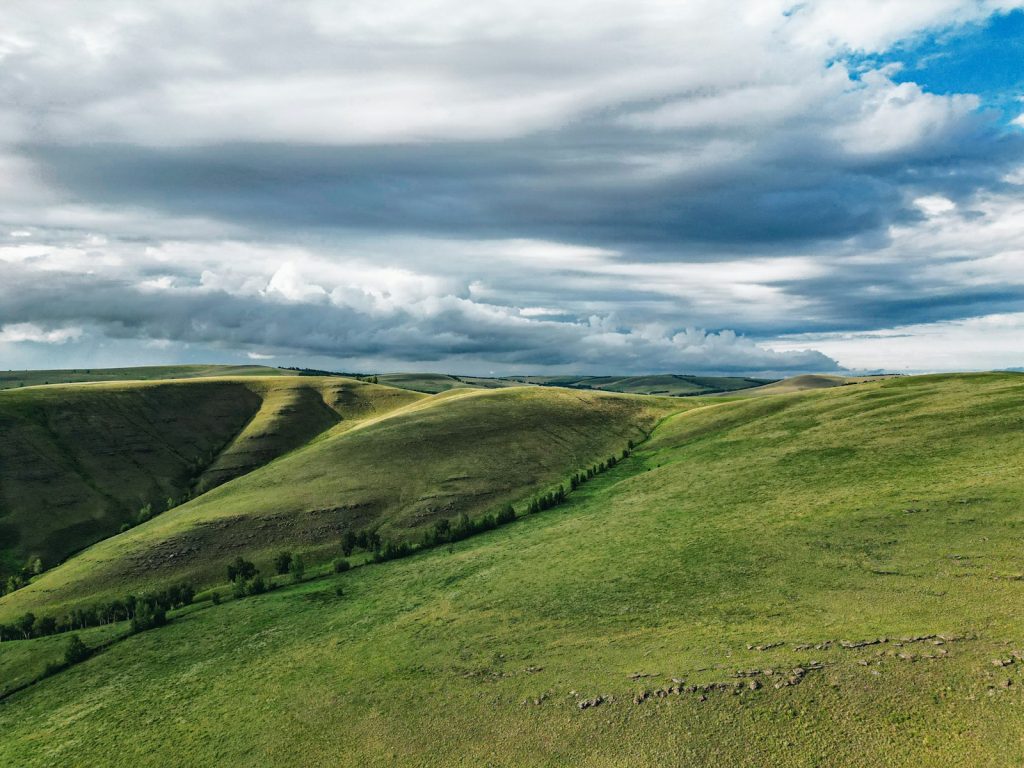
Sumba is unusually photogenic from the air: long horseshoe bays, terraced rice fields, dry savannah hills and river canyons that only reveal their geometry from altitude. An aerial photo Sumba project lets you combine several of these landscapes in a single sortie, rather than losing hours on rough roads.
Creative Advantages Over Ground Shooting
- Compression of distance: In 60–90 minutes airborne, you can cover coastlines and interiors that would take a full day by 4×4.
- Clean compositions: From 500–2,000 feet you frame bays, reefs, estuaries and megalithic villages without foreground clutter.
- Water and surf detail: Oblique angles over west-coast breaks show reef lines and wave patterns impossible to see at beach level.
- Access after rain: In wet-season mud, an aircraft is often the only practical way to reach certain waterfalls or canyon systems visually.
Drone vs Helicopter in Sumba
The drone vs helicopter Sumba question comes up frequently. Both have a place, but they serve different needs.
| Aspect | Helicopter Photography Flight | Drone Operation |
|---|---|---|
| Coverage area (per hour) | Dozens of kilometres of coastline & interior | Limited to a few km radius per launch point |
| Altitude flexibility | From low-level passes (subject to regulations) to high overviews within controlled limits | Typically capped at 120 m AGL in many jurisdictions; local rules can further constrain |
| Stability in wind | Better in stronger winds; experienced pilots can position for smoother shots | Smaller consumer drones can struggle or be grounded in higher winds |
| Regulatory friction | Handled by licensed operator and flight crew | Permits may be required, especially near villages, resorts or protected sites |
| Shot types | Dynamic tracking of horses, vehicles, surfers, boats; wide landscape overviews | Static or pre-programmed moves; detailed close-ups where safe and permitted |
| Cost structure | Higher hourly cost, but efficient for multi-location coverage | Lower operating cost once gear and permits are in place |
| Safety envelope | Pilot in full control; robust to sudden gusts | Vulnerable to loss-of-link, birdlife, or signal interference |
For most private travellers, a photography flight Sumba is about creative flexibility and speed – you see more of the island in one session than you otherwise could in two or three days. For commercial productions, helicopters are often used in tandem with drones, each filling a different role. We can help you sketch that division of labour before you brief the operator.
Typical Routes for Sumba Aerial Photography
Most helicopter charters out of Sumba use one of the island’s main airports or a resort helipad as their departure point. Exact routing will vary with the pilot’s judgement on weather, airspace and fuel, but the following outlines are realistic starting concepts rather than rigid sightseeing promises.
West Coast Surf & Cliffs
Focus: Ocean textures, reefs, surf lines, headlands, late-afternoon light.
- Departure usually from Tambolaka (TMC) or a west-coast helipad.
- Low oblique passes along the coastline, adjusting altitude for wave patterns and reef definition.
- Scope to orbit particular bays for multiple angles, time permitting.
This profile suits fashion and lifestyle shoots, brand campaigns, and surf-related content where you want a series of coherent, coastal frames.
Interior Savannahs, Rivers & Villages
Focus: Dry hills, patchwork fields, meandering rivers, traditional settlements (photographed respectfully from a distance).
- Useful in greener months when fields and river systems are more visually legible.
- Angles can show the relationship between villages, agricultural plots and surrounding hills.
- Good fit for editorial work on culture, conservation or land use.
Waterfalls & Canyons
Focus: Waterfalls, gorge systems and remote pools that are slow or impractical to reach in a single day by road.
- Pilot will position for safe orbits; you may need to accept higher altitudes where terrain is confined.
- Works best in shoulder or wet months when water volume is higher, acknowledging that weather may also be more disruptive to flying.
Custom Production Itineraries
For film, documentary or brand productions, routes are usually entirely bespoke. A realistic planning process involves:
- Defining shot priorities (coast vs interior; wide establishing shots vs tracking; time of day).
- Matching priorities to a feasible flight duration and fuel planning.
- Building in alternates if one area is clouded in or too turbulent on the day.
If you have a storyboard or creative deck, our planning team can work through it with you and then brief a vetted operator for feasibility and pricing. Use our mid-trip planning contact point: plan your trip and mention that you need helicopter time for aerial photography – WhatsApp coordination is available once we start refining dates and locations.
Doors-On vs Doors-Off Helicopter Photography
One of the key decisions for a Sumba aerial photography flight is whether to fly with doors on or off (subject to operator policy, aircraft type and safety assessment).
Doors-Off Flights
Doors-off configuration is often preferred for serious photographers because:
- There is no glass between your lens and the environment, so no reflections or colour casts.
- You can use wider focal lengths without bumping into a window frame.
- It allows more freedom to angle the camera straight down (within harness limits).
However, doors-off flying introduces specific obligations:
- Mandatory harness: You will be fitted with an approved harness attached to secure anchor points.
- Tethered equipment: Cameras, lenses and phones must be secured to you with straps or tethers to prevent any loose objects leaving the cabin.
- Clothing and accessories: No hats, scarves, unsecured eyewear or items that can be blown into the rotor system.
- Temperature and noise: It is louder and windier; expect a more physical experience. Lightweight, warm layers and soft ear protection under the headset can help.
Doors-On Flights
Doors-on flights remain entirely workable for many creative briefs:
- Simpler safety environment: Normal seatbelts, fewer tethers, reduced exposure to wind and rotor wash.
- Easier for mixed groups: If not everyone in your party is focused on photography, doors-on may be more comfortable.
- Good in marginal conditions: If there is more wind, doors-on may be preferred for safety and comfort.
You will photograph through aviation-grade windows, so reflections, smudges and angle of light matter more. A dark top (to minimise reflections) and a rubber lens hood pressed against the window often solve most issues.
Best Time of Day and Season for Sumba Aerial Photography
Light and weather shape everything you receive from a photography flight Sumba side. Flexibility is valuable.
Time of Day
- Early morning (shortly after sunrise): Softer contrast, long shadows over hills and valleys, often calmer air. Ideal for interior landscapes, rice fields and river systems.
- Late afternoon / golden hour: Warm tones along the west coast; surf and reefs take on greater definition. Can be bumpier as land heats and cools, so pilot will manage altitudes and headings accordingly.
- Midday: Harsher light, but useful for projects that need strong water colour or clearly visible reefs and sandbars.
Seasonality
Sumba has a marked dry season and a wetter period. Broadly:
- Dry months: Clearer air, more reliable flying days, but landscapes can look more arid and monochrome.
- Greener months: More dramatic clouds, fuller rivers and waterfalls, richer greens – but with higher risk of cloud build-up, showers and low visibility disrupting flights.
No operator can guarantee that a specific day or time will be flyable. Even on apparently clear days, wind shear, visibility or localised storms can lead a pilot to delay, reroute or cancel. Safety decisions rest with the pilot and operator, and photography goals must adapt to that reality.
Safety, Briefings and What to Expect on the Day
Helicopter photography flights add an extra layer of coordination. Professional operators will take you through a structured process before you leave the ground.
Pre-Flight Safety Briefing
Before boarding, you can typically expect an explanation (in English, sometimes with Indonesian support) covering:
- How to approach and exit the helicopter safely.
- Seatbelts, harnesses (for doors-off) and headset use.
- Where to store bags, lenses and other gear.
- What you may and may not touch in the cabin.
- Emergency procedures and communication with the pilot.
This is not red tape; it is what makes doors-off photography flights work smoothly and safely.
Weight, Seating and Camera Gear
Helicopters have strict weight and balance limits. Operators may ask in advance for passenger weights and an estimate of your camera equipment load. Seat allocation can affect shooting angles; for example:
- On smaller helicopters, one photographer may get the primary doors-off position on a given side.
- On larger aircraft, two or more shooters can be positioned on different sides, but coordination is required so you are not obstructing each other’s sightlines.
You remain responsible for insuring your own equipment. Commercial operators typically carry airframe and liability coverage but do not insure personal cameras or lenses against damage or loss.
During the Flight
Photography flights are more dynamic than standard sightseeing:
- The pilot may orbit a subject multiple times, adjusting altitude and heading.
- You will communicate shot requests via headset, using clear, simple phrases.
- Expect some vibration and movement – faster shutter speeds are your friend.
If any passenger begins to feel unwell, the pilot can moderate manoeuvres. Do mention any sensitivity to motion or vertigo in advance so routes and profiles can be chosen with comfort in mind.
Pricing: Typical Ranges for Sumba Aerial Photography Flights
Aerial photo Sumba charters are priced per flight hour, not per passenger, with minimums that reflect repositioning, crew duty time and fuel. Actual quotes depend on aircraft type, base location, routing and any additional services (e.g., ground support, refuelling at remote strips).
Indicative private-charter ranges (USD, last verified June 2026):
- Short creative sortie (~30–40 minutes airborne)
- Common as an add-on while the aircraft is already on Sumba for other work. As a broad range, budget from the low USD 2,000s to the mid USD 3,000s for a private, photography-focused flight segment, depending on how much repositioning is required.
- One-hour dedicated photography flight
- For a fully chartered helicopter with doors-off option, realistic ranges typically fall between approximately USD 3,000 and USD 5,000 for about an hour of flight time ex-Sumba, assuming the aircraft is already in-region. Extra costs may apply if the helicopter must be ferried in from another island purely for your mission.
- Multi-hour / multi-sortie production days
- For commercial film or brand campaigns requiring two or more hours of helicopter time in a day, budgets in the high four to low five-figure USD range per day are normal once you factor ferry sectors, holding, stand-by and crew duty limitations.
The operator will convert your creative brief into a flight plan and confirm exact costs. We encourage you to be candid about your budget in your initial enquiry so we can discuss whether a helicopter is the right tool, or if a ground-and-drone approach might be more efficient for your aims.
Planning Your Sumba Aerial Photography Session
Thoughtful preparation lifts a photography flight Sumba experience from enjoyable to genuinely productive.
Clarify Your Shot List
Before we engage an operator, it helps to have:
- A short, prioritised list of must-have subjects (e.g., “two specific bays + one waterfall + interior ridgelines”).
- Any orientation requirements (e.g., “west-facing cliffs at late afternoon” vs “overhead coastlines in midday blue water”).
- Output intent (large-format print, social, broadcast, internal brand film), which may influence lens choices and altitude preferences.
Choose Your Gear Wisely
Space is limited and movement is constrained. Typically, two camera bodies with complementary zooms (e.g., a mid-range zoom and a moderate telephoto) are more effective than a bag of primes you cannot comfortably change mid-flight. Image-stabilised lenses are useful; tripods are not practical in a helicopter cabin.
Allow Float in Your Schedule
Building at least one back-up slot into your stay on Sumba is wise. If weather grounds you for your preferred golden-hour window, having a secondary time later that day or the next gives the pilot more room to work around localised conditions. Flexibility is particularly important in wetter months, when isolated storms can appear quickly.
How We Work With You
Our role is to help you understand what is realistic, then connect you to an operator whose capabilities match your project. We can:
- Review your brief and gently push back on elements that are unsafe or unworkable.
- Outline indicative timings between locations based on typical helicopter speeds.
- Flag regulatory sensitivities – for example, photography above villages, resorts or infrastructure where additional permissions or altitude constraints may apply.
No one can pay to change what we publish; if you proceed with our partner they may pay us a referral fee at no extra cost to you. To start a tailored conversation, you can plan your trip and let us know your preferred dates, group size, and the nature of your aerial photography project. From there, we typically move to email and WhatsApp for more fluid back-and-forth as we refine windows and alternates.
Who Are Sumba Aerial Photography Flights For?
Helicopter time is a premium tool. Not every visitor to Sumba needs it – and that is fine. The travellers and teams who usually benefit are:
Private Guests and Families
Luxury travellers who already appreciate helicopters in other destinations often book a single, well-timed sortie during their stay. The goal is not a full production but a mix of memorable personal images and an elevated overview of the island, without sacrificing days to road transfers.
Brand & Editorial Teams
Resort groups, fashion brands, outdoor and surf labels, and travel editors often rely on helicopter coverage to produce hero images and establishing shots. For these clients, the priority is consistency with an existing visual language rather than a one-off “wow moment”.
Documentary & Conservation Projects
Researchers, NGOs and documentary crews sometimes use helicopters to visualise coastline erosion, watershed patterns or the interface between forest and settlement. These flights typically involve more technical briefing and mapping overlays, which operators are used to handling.
Is a Sumba Aerial Photography Flight Right For You?
A helicopter will not fix an unclear creative brief, but it can unlock perspectives that no amount of driving can replicate. If your project hinges on big, graphic overviews of Sumba’s coasts and interiors, investing in a well-planned aerial session is often justified. If your focus is highly local, intimate village life or macro details, we may politely suggest that your budget is better deployed on-ground with time and local fixers.
If you are unsure, share your aims and constraints and we will be candid. You can plan your trip and note that you are “considering, not yet committed to, helicopter aerials”; we are happy to explore the pros and cons with you over email or WhatsApp before you decide.
FAQs: Sumba Aerial Photography Flights
How far in advance should I book a Sumba aerial photography flight?
For peak-season visits or complex production work, starting conversations 6–12 weeks before your Sumba dates is sensible. For simpler private flights, two to four weeks is often workable, but last-minute availability is never guaranteed because helicopters may need to be ferried from other islands or may be committed to other charters.
Can I use a drone during my helicopter photography flight?
No. Drones cannot be operated from or near a helicopter for safety reasons. A clear separation is maintained: you might schedule drone work on the ground on certain days and helicopter aerials on others, but they do not operate simultaneously in the same airspace without structured, specialist coordination.
Will my flight definitely go ahead once booked?
No operator can guarantee a flight. All helicopter operations are subject to weather, visibility, wind, airspace considerations and technical status of the aircraft. Even with a confirmed booking, the pilot may delay, reroute or cancel if conditions are judged unsafe or below their company’s limits. Commercial terms for delays and cancellations vary by operator and will be clearly set out in your contract.
Can non-photographers join an aerial photography flight?
Yes, subject to weight limits and aircraft configuration. Many private guests combine a photography focus for one or two people with casual viewing for others. Doors-off setups may limit how many non-shooters are comfortable on board, so discuss your group profile in advance; in some cases a doors-on configuration with window seats for all is more appropriate.
How do I start planning a helicopter photography session in Sumba?
Begin by outlining your preferred dates, number of people, broad shot priorities and any budget parameters. Share this via our enquiry page and we will respond with initial thoughts and likely ranges before introducing you to a suitable operator. Once we are aligned on scope, planning typically continues via email and WhatsApp for efficient coordination around weather windows and logistics.